
Can You Use Vitamin C and Retinol Together?
Vitamin A and Vitamin C are two of the most powerful age-defying ingredients in skincare, but there is a lot of confusion around when and how to use them, and if you can use them together.
You might be surprised to hear that you can use retinol and other vitamin A derivatives with vitamin C in the same skincare routine. The combination of these two ingredients can help to improve the appearance of dark spots and uneven skin tone, as well as visibly improve common signs of ageing such as fine lines, wrinkles and loss of elasticity.
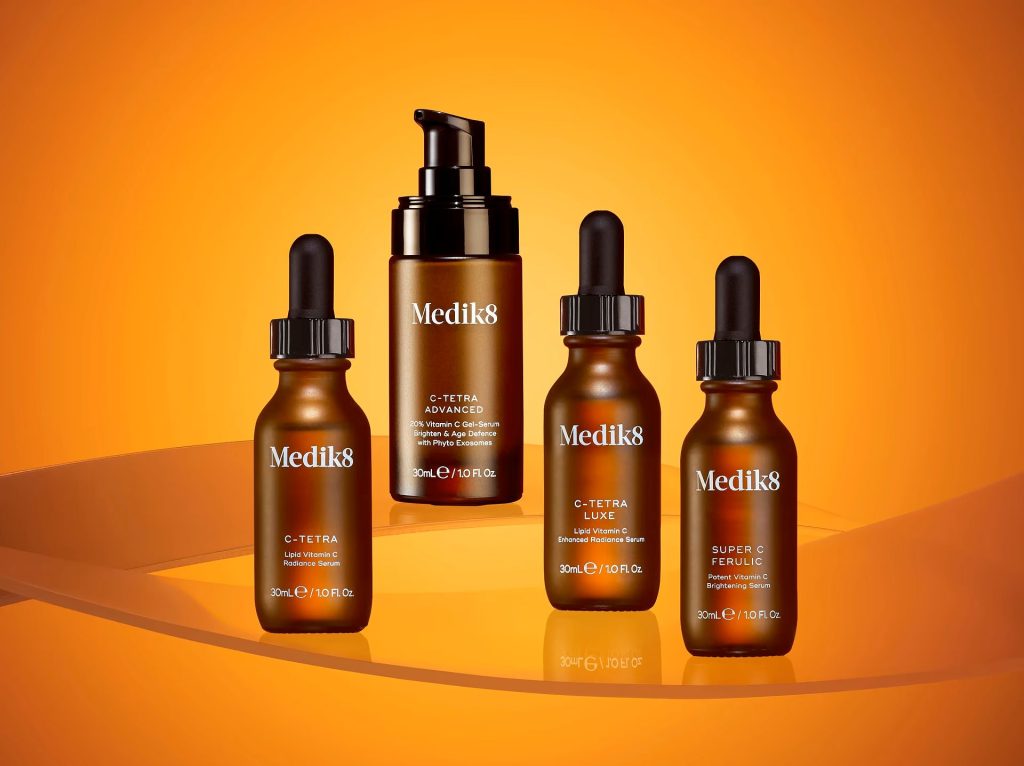
What does vitamin C do for the skin?
Praised for its effective radiance-boosting properties, vitamin C is a must-have in any daily skincare regime. Helping to visibly brighten the complexion, vitamin C helps to block the enzyme that causes dark spots for a brighter, more even-looking skin tone. It also helps to fight off ageing free radicals and support collagen production, softening the look of fine lines and wrinkles for smoother-looking skin.
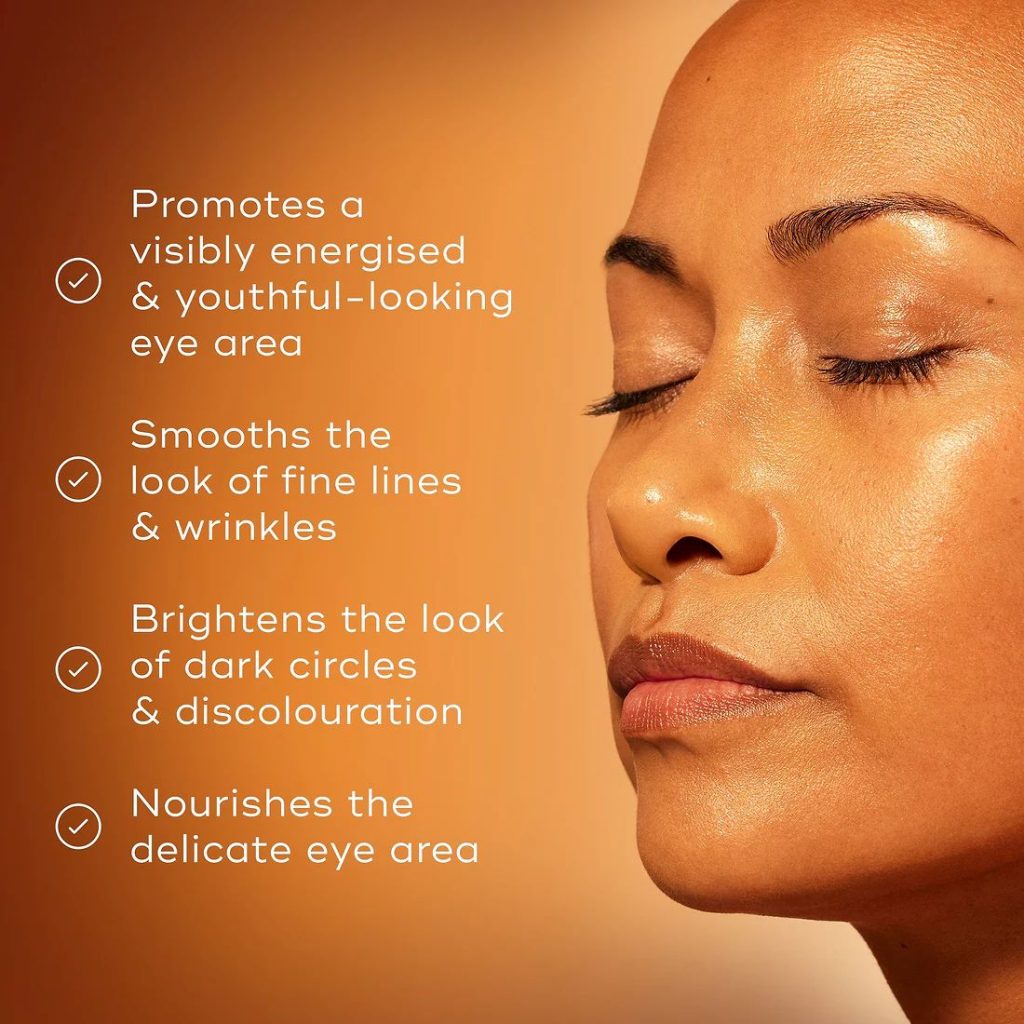
What does retinol do for the skin?
Retinol, also known as ‘the classic vitamin A’ is a derivative of vitamin A that belongs to the retinoid family. Retinoids work by cleverly stimulating skin cell renewal and encouraging collagen production to enhance the skin’s tone, radiance and texture for a more youthful-looking complexion. Vitamin A travels through several stages known as the ‘vitamin A pathway’. When applied to the skin, retinol first converts to retinal, and then to retinoic acid. At this stage, the ingredients become ‘active’ and visible results begin to occur.
What does retinal do for the skin?
Retinal (short for retinaldehyde) is also a retinoid and form of vitamin A. We call it ‘the everyone vitamin’. It’s further along the vitamin A pathway than retinol, and just one conversion step away from becoming retinoic acid – which means it acts faster on the skin than retinol and boasts other added benefits.
There are many differences between retinal and retinol. Retinal is also the only retinoid with direct antibacterial properties, therefore, with continued use it helps to visibly diminish the bacteria responsible for breakouts, leaving the skin visibly clear and radiant. Retinal is also less irritating on the skin, meaning that you can have a more potent product without compromising on your skin’s comfort.
So, can you use retinol and vitamin C together?
Yes, you can use both retinol and vitamin C in your skincare routine as they are powerful, age-defying ingredients. The combination of using vitamin A and vitamin C together can help you achieve a visibly brighter, radiant and more youthful-looking complexion. Vitamin C is best used in the morning to help protect your skin from environmental aggressors, while vitamin A is best used in the evening to help visibly renew and restore your skin overnight.
Potential risks of using retinol and vitamin C
Vitamin A can have the potential to cause dryness and irritation when applied to skin that isn’t used to it. Therefore, we always recommend introducing vitamin A products gradually and slowly into your routine – increasing the strength over time. This helps to minimise the potential risk for irritation, as it allows your skin to naturally adapt to using vitamin A. In all Medik8 retinoid products, they use a Time Release Technology delivery system to gently release vitamin A into the skin, to avoid overwhelming it and to prolong the effects overnight.
They’re advanced vitamin C range only features scientifically proven forms of vitamin C, which they expertly stabilise to ensure optimal potency and maximum results alongside minimal irritation. If you’re new to using vitamin C, begin with the C Tetra Luxe serum, which is the perfect entry point for those looking for all-round skin health and supercharged radiance.